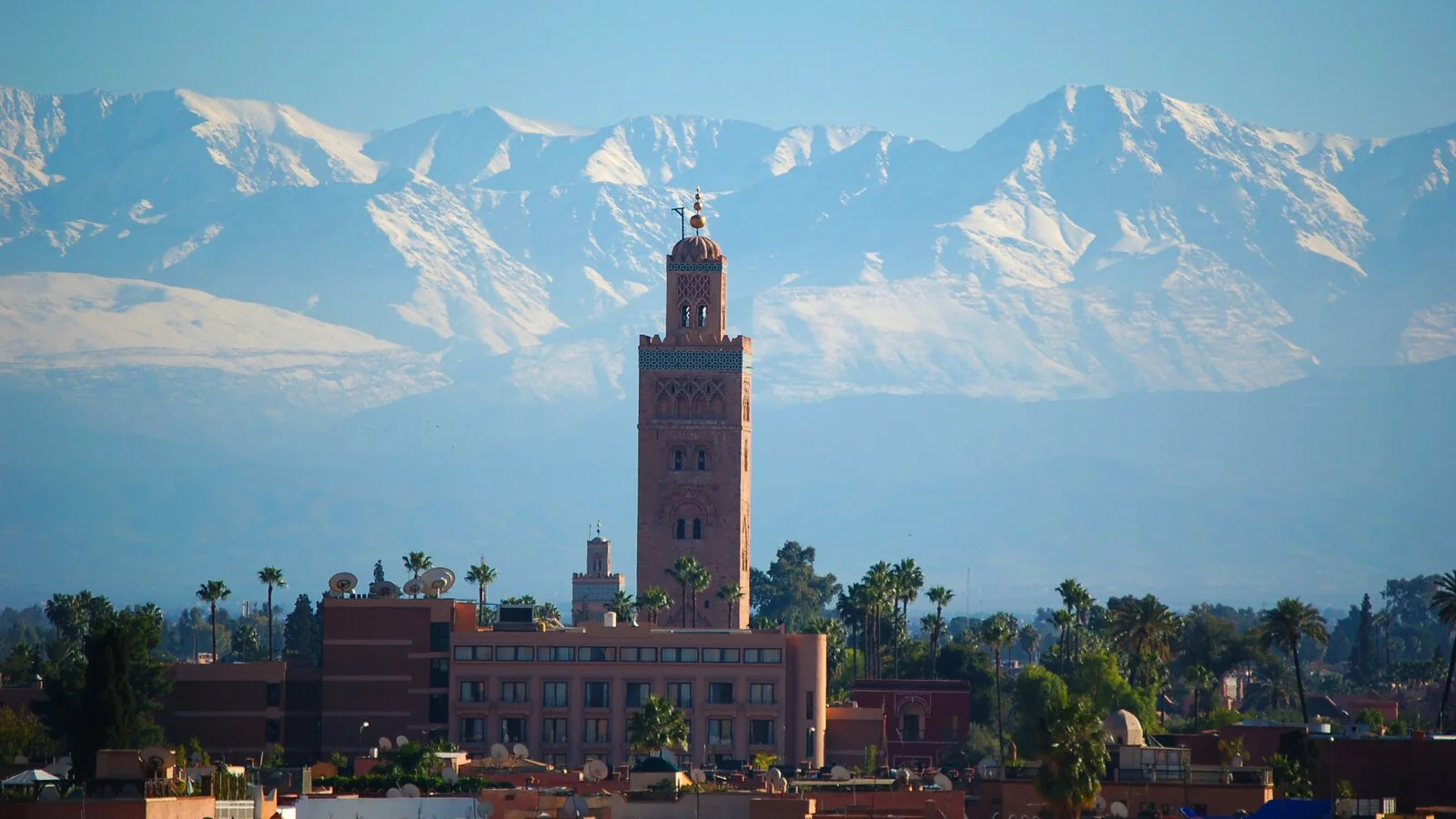
Morocco’s dramatic landscapes—towering dune seas, snow‑capped mountains, fragrant cedar forests and rugged Atlantic cliffs—beckon campers and adventurers year‑round. Spending a night under the stars here is an unforgettable way to connect with nature and Berber hospitality. However, the country’s wide range of environments also presents unique challenges. Days can be blisteringly hot, nights unexpectedly cold and local customs require sensitivity. This guide explains what you need to know before pitching a tent in Morocco. You’ll find gear checklists for desert and mountain environments, advice on wild camping regulations, seasonal planning tips and essential cultural etiquette.
Understanding Morocco’s Camping Environments
Desert vs. Mountains vs. Coast
Morocco spans several distinct climate zones. The Sahara Desert, covering the far south and east, experiences searing daytime temperatures and plummeting nighttime lows. Sandstorms and occasional torrential rainstorms can occur without warning. In contrast, the Atlas Mountains range from lush cedar forests to alpine meadows and high‑altitude peaks. Here the air is thinner and cooler; nights can be cold even in summer, and winter brings snow. The Atlantic and Mediterranean coasts enjoy a more temperate climate but are often windy.
Best Seasons for Camping
Picking the right season is crucial to a comfortable camping experience. For desert trips, the most pleasant months are October through April. Daytime highs hover in the low 20s °C in winter and mid‑20s °C in spring, with chilly nights requiring warm layers and a quality sleeping bag. Summer (June–September) can see temperatures soar above 40 °C—dangerous for extended hikes or camping. The Atlas Mountains are ideal from April through October. Spring brings wildflowers and melting snow, summer offers mild days and cool nights, and autumn boasts crisp air and golden foliage. Winter (December–March) can be beautiful but requires mountaineering experience and cold‑weather gear. Along the coast, camping is pleasant almost year‑round, though strong winds and Atlantic storms can make winter nights damp and blustery.
To visualise how Morocco’s temperatures fluctuate by season in both desert and mountain environments, consult the chart below. The data approximates average daytime and nighttime temperatures and illustrates why packing for extremes is essential.

Wild Camping Regulations & Safety
Legal Considerations
Wild camping—setting up camp outside an official campsite—is a cherished freedom for many travellers but sits in a legal grey area in Morocco. According to recent guidance, backcountry camping is forbidden in certain areas such as nature reserves, national parks and historic or coastal sites. Laws exist to protect sensitive ecosystems and cultural heritage. Nonetheless, wild camping is tolerated in remote areas away from towns and tourist hotspots, provided campers follow rules: avoid camping near villages, ask permission if you meet locals, keep noise to a minimum and respect any police requests to move. Police may suggest an official campsite for your safety; follow their advice and be prepared to move if asked. In popular surf spots such as Imsouane and Essaouira, recent clampdowns mean overnight parking is prohibited.
When in doubt, use registered campsites or glamping camps, especially in the Sahara. Many desert camps provide tents, bedding, meals and activities, offering a comfortable way to experience the dunes without environmental impact. For campervan travellers, research legal overnight stops and paid parking areas.
Leave No Trace & Resource Management
Morocco’s deserts and mountains are fragile environments. Follow Leave No Trace principles by packing out all garbage, using biodegradable soap, and avoiding campfires unless in authorised fire pits. Water is precious; bring sufficient reserves, purify natural sources and never contaminate streams. Manage noise to protect wildlife and respect other campers.
Safety Tips
Although camping in Morocco is generally safe, keep these precautions in mind:
- Plan for self‑sufficiency. In remote areas you cannot rely on shops or clinics. Carry extra water, food, fuel and a robust first aid kit.
- Lock valuables and secure your vehicle. While crime is rare, it’s prudent to lock doors and keep valuables out of sight.
- Choose your site wisely. Avoid camping in dry riverbeds (wadis) prone to flash floods or under cliffs where rockfall may occur. Position tents away from camel tracks and shepherd routes.
- Inform someone of your itinerary. In mountainous areas, tell your guesthouse or guide your planned route and estimated return time. Consider registering at local gendarmerie posts, which is often required for high‑altitude treks.
- Respect local communities. Moroccans are hospitable; greet villagers with “salaam alaikum,” ask permission to camp nearby and accept invitations for tea respectfully.
Gear Essentials: Your Packing Checklist
Proper equipment makes the difference between a memorable trip and a miserable one. The lists below cover must‑have items for camping in Morocco’s deserts and mountains. Adjust quantities based on group size, trip length and season.
Shelter & Sleep System
- Tent: A lightweight, freestanding tent with a UV‑resistant flysheet is ideal. For desert camping, look for models with good ventilation and plenty of stakes; wind can be strong and sand requires longer sand pegs or sand/snow anchors. In the mountains, choose a tent that can withstand wind and potential rain or snow.
- Footprint or ground tarp: A groundsheet protects your tent floor from rocks and helps keep sand out. In the desert, it makes breaking camp easier.
- Sleeping bag: Nights in the desert and high Atlas can be surprisingly cold. A two‑season sleeping bag (comfort 0–5 °C) is recommended between November and February, while a lightweight sleeping sheet suffices from March to October. For winter mountain treks, upgrade to a three‑season or four‑season bag rated to –5 °C.
- Sleeping pad or mat: Insulated sleeping mats provide warmth and comfort. For desert trips, consider an inflatable pad and an extra foam pad to prevent punctures from thorns.
- Pillow or stuff sack: A compressible pillow increases comfort. Alternatively, stuff clothes into a dry bag.
Clothing & Footwear
Desert
In the Sahara, comfort and sun protection are paramount. The desert camp operator Erg Chigaga recommends lightweight, breathable clothing in natural fibres like cotton or linen: loose trousers, long‑sleeved shirts, a wide‑brim hat or peaked cap, and a lightweight sweater or fleece for chilly nights. A long scarf or chech (turban) protects your face and neck from sun and sand. Footwear should be sturdy: walking boots or supportive sandals keep sand out and provide grip on dunes. Avoid mesh shoes that fill with sand. Bring socks to protect your feet from scorching sand.
Mountains
In the Atlas Mountains, pack for variable conditions and cultural modesty. Essentials include:
- Hiking boots: Sturdy, waterproof boots with good ankle support are vital for rocky trails.
- Base layers: Moisture‑wicking tops and long underwear regulate body temperature.
- Insulating mid‑layer: A fleece or lightweight down jacket keeps you warm at altitude.
- Outer shell: A waterproof, windproof jacket and trousers protect against rain and wind.
- Warm hat & gloves: Temperatures can drop below freezing at night; pack a beanie and gloves.
- Sunhat & sunglasses: The sun at altitude is intense; use UV‑rated eyewear.
- Cultural considerations: Dress conservatively—loose trousers or long skirts and covered shoulders—when passing through villages. Women should carry a scarf for mosques.
Cooking & Hydration
- Stove and fuel: A compact gas stove or multi‑fuel burner with fuel canisters allows you to cook meals. Fires are not permitted in many regions, particularly arid zones.
- Cookware: A lightweight pot, frying pan and utensils suffice for simple dishes. Don’t forget a mug and cutlery.
- Water storage: The desert requires at least 3–4 litres per person per day. Carry multiple bottles or a hydration bladder plus jerry cans. A water filter or purification tablets let you use springs in the mountains.
- Food: Non‑perishable, calorie‑dense foods like couscous, dried fruit, nuts, tinned fish, instant noodles and powdered soups travel well. Pack granola bars and nuts for snacks.
- Basic utensils: Bring a sharp knife, chopping board, spork, and a lightweight bowl or plate.
Electronics & Navigation
- Headlamp or torch: A headlamp keeps your hands free for camp chores and midnight bathroom visits. Bring extra batteries or a rechargeable model.
- Power bank & solar charger: Many desert camps have limited electricity. A large‑capacity power bank or solar generator ensures your phone and camera stay charged. Use a multi‑port power strip if you carry multiple devices.
- Offline maps & compass: Download offline maps of trail networks and desert tracks. Carry a paper map and compass as a backup; GPS signals can be unreliable in remote areas.
- Communication: A local SIM card with data or a satellite messenger provides emergency contact. In remote mountain areas, tell your guide or driver your itinerary.
- Camera & protection: Sand is the enemy of electronics. Keep cameras in sealable bags and clean them regularly.
First Aid & Personal Care
Prepare for common ailments:
- Personal medications and prescriptions (carry extras).
- Sun protection: High factor sun cream is essential in the desert; apply regularly. Lip balm with SPF prevents cracked lips.
- First aid kit: Include plasters, bandages, antiseptic wipes, tweezers, scissors, painkillers, anti‑diarrhea tablets, antihistamines, rehydration salts and any other personal items.
- Insect repellent: Necessary in summer and near water.
- Hand sanitiser, wet wipes and biodegradable soap for hygiene.
- Toilet kit: Bring toilet paper, a small trowel and sealable bags for pack‑it‑out disposal in remote areas.
Documents & Money
- Passport & copies: Keep your passport secure and carry digital and paper copies.
- Travel insurance: Make sure it covers trekking and camping at altitude.
- Permits: Some areas, such as high‑altitude peaks or certain national parks, require permits or registration.
- Cash: Many rural regions do not accept cards. Keep small bills handy for guides, camel handlers and campsite fees.
- Emergency contacts: Write down embassy numbers and local emergency services.
Special Considerations for Desert Camping
Camping among the dunes is enchanting but unforgiving. Here are additional tips to stay comfortable and safe:
-
Hydrate and protect against heat: Carry extra water and electrolyte powders. Wear a wide‑brim hat, long sleeves and a scarf to shield from the sun and sand. Use a portable fan for midday relief.
-
Pack light but smart: Most overnight desert trips involve riding camels or 4×4 vehicles. Limit your luggage to a small backpack with essentials. Desert campers recommend bringing headlamps, large capacity external batteries and camera gear protection. Seal electronics in plastic bags or dry sacks to prevent sand infiltration.
-
Be prepared for cold nights: Despite hot days, desert nights in winter can approach freezing. Bring warm leggings, a fleece or puffer jacket and a beanie. Some camps provide blankets, but a sleeping bag or liner adds comfort.
-
Respect the environment: Stay on established tracks and follow your guide. Avoid climbing sensitive dunes or carving patterns into the sand. Enjoy the silence and preserve the desert’s tranquillity.
Special Considerations for Mountain Camping
The Atlas Mountains reward campers with alpine vistas and Berber hospitality. To thrive at altitude:
-
Acclimatise slowly: Ascend gradually to minimise the risk of altitude sickness. Spend a night in a base village like Imlil before trekking higher. Recognise symptoms of acute mountain sickness (headache, nausea, dizziness) and descend if they worsen.
-
Layer appropriately: Mountain weather changes rapidly. Use a three‑layer system: moisture‑wicking base, insulating mid‑layer and waterproof outer shell. Pack warm hat, gloves and a buff. A down jacket or fleece is invaluable on cool evenings.
-
Navigation: Many trails are unmarked. Hire a local guide or use GPX tracks and map apps with offline capabilities. Always carry a physical map and compass.
-
Wildlife & livestock: Expect to encounter goats, sheep and working mules. Give animals space and secure your food. Be cautious of shepherd dogs and avoid stepping on irrigation channels used by farmers.
-
Respect culture: Villages in the Atlas are conservative. Dress modestly and ask permission before photographing people or entering homes. Greet locals with “salamu alaykum” and be prepared to accept mint tea.
Camping Checklist Comparison
Below is a quick‑reference table comparing essential items for desert and mountain camping. A check mark (✓) indicates high importance; a dash (—) means optional or less necessary. Use this as a starting point and adjust based on your itinerary.
| Item | Desert | Mountains |
|---|---|---|
| Tent (UV‑resistant, wind‑proof) | ✓ | ✓ |
| Sand stakes / Snow stakes | ✓ | — |
| Sleeping bag (2/3‑season) | ✓ | ✓ |
| Sleeping sheet | ✓ | — |
| Sleeping pad | ✓ | ✓ |
| Fleece or down jacket | ✓ (winter) | ✓ |
| Waterproof jacket & trousers | — | ✓ |
| Warm hat & gloves | ✓ (winter) | ✓ |
| Sun hat / scarf | ✓ | ✓ |
| Hiking boots | ✓ (sturdy sandals also) | ✓ |
| Trekking poles | — | ✓ |
| Portable stove & fuel | ✓ | ✓ |
| Water purification / filter | ✓ | ✓ |
| Extra water reserves | ✓ | ✓ |
| Headlamp / torch | ✓ | ✓ |
| Power bank / solar charger | ✓ | ✓ |
| First aid kit | ✓ | ✓ |
| Insect repellent | ✓ (seasonal) | ✓ (seasonal) |
| Map & compass / GPS | ✓ (with guide) | ✓ |
| Travel documents & cash | ✓ | ✓ |
Ethical & Cultural Etiquette
Morocco’s diverse cultures are integral to its charm. Respecting local customs enriches your camping experience:
- Ask permission to camp near villages or agricultural land. Farmers may allow you to stay if you show courtesy and gratitude.
- Dress modestly in rural areas, covering shoulders and knees and avoiding revealing clothing.
- Learn a few phrases in Darija or Tamazight—even simple greetings open doors and hearts.
- Offer and accept hospitality graciously. Refusing mint tea can be seen as impolite.
- Support local economies by hiring local guides, staying in family‑run campsites and buying crafts directly from artisans.
- Leave places better than you found them. Collect stray litter and encourage fellow travellers to do the same.
Additional Resources & Internal Links
Morocco is a vast playground for outdoor lovers. To plan your trip in detail, explore our other guides:
- Atlas Mountains Trekking Guide
- Beginners Guide to Surfing Morocco
- Morocco Destinations
- Camping Activities
Conclusion
Camping in Morocco is an immersive way to experience the country’s natural splendour and cultural richness. From sleeping beneath a canopy of stars in the Sahara to waking up in a mountain village with snow‑capped peaks on the horizon, the memories you create will last a lifetime. With the right gear, respect for local customs, awareness of regulations and careful planning around seasons, you can embark on a safe and rewarding adventure. Pack thoughtfully, tread lightly and embrace the warm hospitality you will encounter on your Moroccan camping journey.