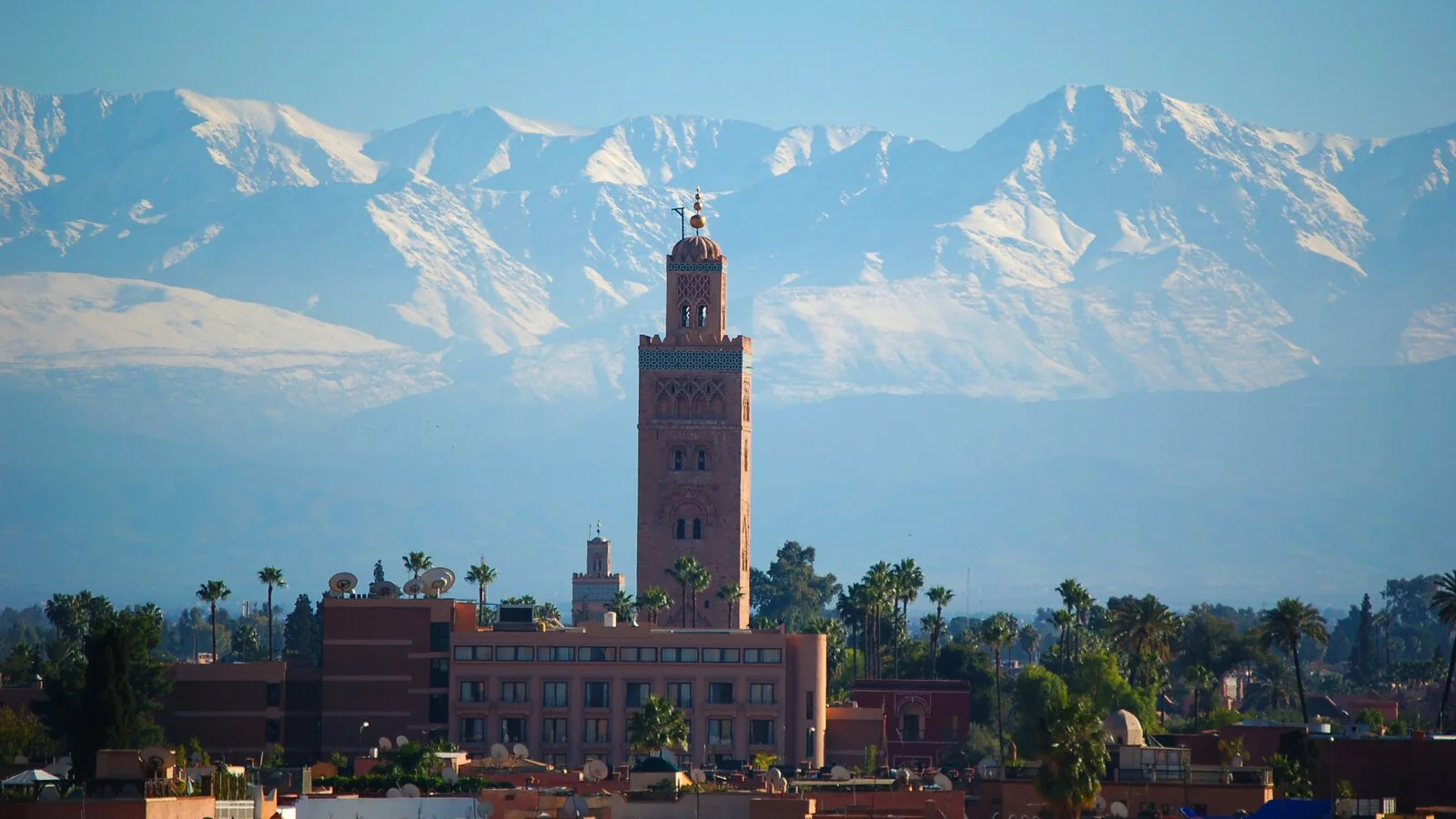
Morocco’s Atlantic coastline has become a global magnet for surfers, combining world‑class waves with a laid‑back cultural vibe, warm weather and affordable travel. For beginners, it offers something rare: a huge variety of mellow beach breaks, point breaks with forgiving take‑offs and surf schools that cater specifically to first‑timers. This guide demystifies Morocco’s surf scene for 2026 travellers, from choosing the right season and spot to packing the right gear and planning a surf‑focused itinerary.
Why Morocco for Your First Surf Trip?
- Ideal learning conditions. Morocco’s south‑west coast is exposed to swells from the North Atlantic, but many bays and points shelter the swell to create small, slow‑breaking waves – perfect for practicing paddling and pop‑ups. Sand‑bottom beach breaks dominate beginner areas, making falls soft and entry straightforward.
- Year‑round surf. Unlike many European spots that have distinct off‑seasons, Morocco’s coast picks up swell in every month. The waves change character with the seasons, giving beginners space in summer and larger but still manageable surf in autumn and spring.
- Accessible surf hubs. Towns like Taghazout, Tamraght and Imsouane host dozens of surf camps, board rentals, cafés and co‑working spaces. Whether you join a camp or go independent, you’ll find accommodation to suit every budget and instructors who speak your language.
- Cultural adventure. Surf mornings can be paired with afternoons exploring souks, sipping mint tea, hiking to waterfalls or watching fishermen land their catch. Morocco’s hospitality and cuisine add depth to your surf journey.
Understanding Morocco’s Surf Geography
Morocco’s surfable coast runs from the Strait of Gibraltar down to the disputed Western Sahara, but beginners will focus on the central section between Agadir and Essaouira. This region is easily reached from international airports and offers a cluster of spots within a 60 km stretch. North of Casablanca and Rabat the waves are powerful reef breaks suited to experienced surfers; south of Agadir the coast becomes wilder and less serviced, with heavier waves near Sidi Ifni and Mirleft.
Surf Hubs at a Glance
| Region | Typical Waves | Notable Beginner Spots |
|---|---|---|
| Tamraght & Aourir (10 km north of Agadir) | Long sandy beach breaks with gentle peaks; right‑hand point breaks at river mouths | Crocodile Beach, Banana Point, Devil’s Rock |
| Taghazout | Morocco’s surf capital; mix of beach breaks and world‑class points; numerous surf camps | Panoramas, Hash Point, Km 17 |
| Imsouane | Sheltered bay halfway between Essaouira and Agadir; longest ride in North Africa; mellow right‑hander peeling over sand | The Bay, Cathedral Point (intermediate) |
| Essaouira & Sidi Kaouki | Wide beaches with consistent but wind‑affected waves; kite‑surfing hub | Essaouira Beach, Sidi Kaouki |
Seasons and Surf Conditions
The North Atlantic sends swell to Morocco all year, but the size and frequency vary by month. Beginners will enjoy smaller summer rollers, while more experienced surfers chase the winter swells. Water temperatures hover between 16°C and 22°C, so a wetsuit is advisable outside the hottest months. Use the chart below to gauge what to expect.

Best Times for Beginners
April – October offers the most forgiving conditions. During these months the prevailing swells are smaller (0.3–1.5 m) and the water warms to 18–22 °C. This is prime time for learning to paddle, stand up and ride gentle green waves. July and August are particularly calm, though the beaches can be busy with Moroccan holiday‑makers and fog sometimes blankets the coast in the mornings.
Intermediate and Advanced Season
If you already have your fundamentals dialled in, consider visiting in September–October or March–April. Swells around 1 – 2.5 m hit the coast regularly, offering longer rides and sections for turns without being overwhelmingly powerful. November – February is the peak big‑wave season; legendary point breaks like Anchor Point fire with long right‑hand walls, but they demand confidence and crowd awareness. Water is coolest then (16–19 °C); a 4/3 mm wetsuit or thicker is recommended.
Beginner‑Friendly Surf Spots
Morocco’s central coast is a playground of diverse breaks. Below is a selection of spots perfect for first‑timers and those progressing from whitewater to green waves. Always check daily surf reports, watch the tides and respect local surfers when entering the lineup.
Crocodile Beach (Tamraght)
Named after the crocodile‑shaped headland at its northern end, Crocodile Beach stretches for more than a kilometre. Soft sand underfoot and multiple peaks make it ideal for beginners. You can walk straight in from the beach and choose lefts or rights depending on the day. The waves break slowly and are forgiving, yet there’s enough energy to practise your take‑off and turning. Mid to high tide is usually best, and the spot works with swells from the north and northwest. Surf schools and rental shacks line the road behind the dunes.
Banana Point (Aourir)
Right at the mouth of the Oued Tamraght river lies Banana Point, named after the surrounding banana plantations. It’s a right‑hand point break that peels along a sand and rock shelf, delivering waist‑ to shoulder‑high waves when a northwest swell wraps in. The take‑off is easy, the wall is mellow and the ride can stretch for 100 m or more. It works on all tides and is particularly fun on clean morning conditions with light east‑north‑east winds. Longboarders love the smooth walls; beginners can stick close to the inside section and practise trimming along the face.
Devil’s Rock / Imourane Beach (Tamraght)
Don’t be fooled by the name – Devil’s Rock is one of the most approachable spots in the area. This sandy beach break sits below a striking rock formation and delivers small, playful peaks that work well for beginners and intermediates. The wave usually breaks left but can offer mellow rights depending on sandbar shifts. You can enter from either side of the rock. The spot is consistent in autumn and winter (October – March) but also offers soft summer rollers. It can get crowded with locals and surf camps, so practise good etiquette: take turns, don’t drop in and smile.
Panoramas (Taghazout)
Located at the southern edge of Taghazout, Panoramas is a long right‑hand wave that changes character with the tide. At high tide it’s soft and slow – perfect for learning to generate speed and ride the open face. At low tide it becomes faster and more challenging, with sections that can close out. The bottom is sandy, and the vibe in the lineup is typically friendly. An east or north‑east wind (offshore) keeps the wave clean. Mid‑tide on a small to medium swell is the sweet spot for beginners.
Km 17 (Between Taghazout and Tamraght)
Just past Crocodile Beach is Km 17, a beach break named after the road marker on the Agadir–Essaouira highway. Several peaks provide both lefts and rights, and the waves feel bigger than they look from shore but remain moderate in power. Entry is as simple as walking down the sand. It’s best at mid to high tide and can hold up to 2 m swells when you’re ready to progress. On small days it’s a great training ground for linking turns.
Imsouane – The Bay
Halfway between Essaouira and Agadir lies the fishing village of Imsouane, home to The Bay, Africa’s longest rideable wave. Here the swell bends around a rocky point and peels along a sandy bay for up to 600 m on a good day. Beginners can catch the wave in the inside section and ride for 30 – 60 seconds on mellow walls. The long paddle back to the peak is part of the fun (you can walk along the beach if tired). Mid tide with a north‑west swell is ideal, and the wave is most consistent from October through April, although summer often offers gentle ripples for practice. Cathedral Point, just outside the bay, provides a faster, more powerful wave for intermediates and advanced surfers.
Essaouira Beach
The fortified city of Essaouira is better known for windsurfing and kitesurfing, but its wide sandy beach is also a forgiving surf spot in summer. The waves are small and playful, and the lineup rarely feels crowded. Because the area is exposed to strong winds, choose mornings when breezes are lighter. Surf schools operate along the beachfront, and you’ll find plenty of cafés and fish restaurants to refuel after your session.
Sidi Kaouki
About 20 km south of Essaouira, Sidi Kaouki offers a relaxed, off‑the‑beaten‑track surf experience. The beach is long and flat, with peaks that break gently over sand. It picks up more swell than Essaouira and works best at mid to high tide with a north‑west swell. Summer provides small waves perfect for practicing take‑offs; autumn brings larger swells for progression. The village is tiny, but a handful of guesthouses and surf schools keep the vibe friendly and authentic.
Getting to Morocco’s Surf Coast
Choosing an Airport
- Agadir Al Massira (AGA). The closest international airport to Taghazout and Tamraght, about 45 minutes by taxi or bus. Budget airlines from Europe fly directly to Agadir.
- Essaouira Mogador (ESU). Small airport with limited flights; convenient for those basing themselves in Essaouira or Imsouane (1 h drive).
- Marrakech Menara (RAK). Large hub with frequent flights. It’s a three‑ to four‑hour drive to the surf coast; many visitors combine a few days in Marrakech’s medina with their surf trip.
- Casablanca Mohammed V (CMN). Main intercontinental airport; continue on a domestic flight to Agadir or rent a car for a scenic road trip along the Atlantic.
Transport to Surf Towns
From Agadir or Essaouira, shared taxis and local buses (CTM or Supratours) run regularly to Taghazout, Tamraght and Imsouane. Rental cars are affordable and allow you to chase the best conditions each day. Driving along the coastal highway N1 reveals dramatic ocean views and small fishing villages worth stopping at.
Surf Lessons and Camps
While you can rent a board and paddle out on your own, enrolling in a surf camp or lesson accelerates your progress and keeps you safe. Camps provide:
- Professional instruction. Certified surf instructors teach you proper technique, ocean awareness, and board control, correcting your stance and timing in real time.
- Equipment and transport. Board and wetsuit hire is included, and daily transport to the best spot for the conditions saves you guesswork.
- Community. Surfing is social; camps create a friendly environment where you meet fellow travellers, share meals and watch sunset from rooftop terraces.
- Accommodation and meals. Many packages include home‑cooked Moroccan dinners – think tagines, couscous and freshly grilled fish – along with comfortable rooms and yoga classes.
If you prefer to DIY, you’ll find board rentals and lessons available on all main beaches. Expect to pay around 150–200 dirhams (≈ 14–18 €) for a half‑day lesson with equipment.
Packing List for Surfing Morocco
Morocco’s climate varies by season, but it’s wise to pack for both sun and cooler mornings. Use this checklist as a starting point:
| Item | Details |
|---|---|
| Wetsuit | A 3/2 mm suit for winter and spring (November–April). A shorty or 2 mm suit for summer. Bring a rash‑vest for sun protection. |
| Surfboard | Foam or soft‑top boards are best for beginners; longboards or funboards (7–8 ft) help with stability. Most camps provide boards. |
| Leash & Fins | Quality leash matched to your board length; check fin screws are tight. |
| Surf Wax | Bring tropical wax for summer or cold‑water wax for winter; wax is available locally but can be pricey. |
| Sun Protection | Reef‑safe sunscreen (SPF 50+), zinc for face, surf hat or cap, polarised sunglasses. |
| Footwear | Flip flops for the beach, sturdy sandals or trainers for exploring villages and rocky paths. |
| Reusable Water Bottle | Stay hydrated; Morocco’s climate can be dry and sunny. |
| Towel & Poncho | Quick‑dry towel and a poncho or sarong for changing on the beach. |
| First‑Aid Kit | Include plasters, antiseptic, ear drops and motion sickness pills if you’re prone to sea‑sickness. |
| Optional Extras | Ear plugs (to prevent surfer’s ear), waterproof phone case, portable charger, headlamp for dawn patrols. |
Surf Etiquette and Safety
Surfing isn’t just about standing on a board; it’s also about sharing the ocean respectfully. Keep these guidelines in mind:
- Know your limits. Choose waves appropriate for your skill level. When in doubt, watch the lineup before paddling out.
- Don’t drop in. The surfer closest to the breaking part of the wave has priority. Wait your turn, and don’t paddle around others to steal a wave.
- Watch the leash. Keep your board under control. A runaway board can injure others. If you fall, cover your head and hold on to your board.
- Respect locals. Many of these spots are home to fishermen and local surfers. Smile, share waves and don’t litter. Avoid showing off or crowding locals out of their own breaks.
- Check conditions. Rip currents are present even in beginner spots. Ask a local, guide or surf report about tides, wind and swell direction. Avoid surfing alone.
- Protect your skin. Morocco’s sun is strong even in winter. Wear sunscreen, rash‑vests and hats, and reapply regularly.
Culture, Cuisine and Things to Do Off the Board
Surf trips aren’t just about waves. Make time to explore Morocco’s rich culture and landscapes:
- Taghazout Village. Wander the narrow streets of this former fishing village, browse surf shops, sip fresh juice at cafés and watch the sunset from the harbour.
- Paradise Valley. A lush palm‑lined canyon in the foothills of the Atlas Mountains, about an hour from Taghazout. Swim in natural pools and hike between waterfalls.
- Essaouira Medina. A UNESCO‑listed old town with ramparts, art galleries and seafood restaurants. The market is perfect for buying spices, argan oil and handicrafts.
- Argan Co‑operatives. Learn about the production of argan oil, a staple of Moroccan cuisine and cosmetics, and support women‑run co‑ops.
- Camel & Horse Rides. Along the beaches of Taghazout and Sidi Kaouki you can ride camels or horses at sunset.
- Yoga & Wellness. Many surf camps offer yoga classes on rooftops or beaches. Stretching after surf sessions helps prevent injury and enhances balance.
Sample 7‑Day Surf Itinerary
Day 1: Arrival & Orientation
Fly into Agadir or Marrakech and transfer to Tamraght. Check into your surf camp or guesthouse. Spend the afternoon exploring the village, tasting your first tagine and watching the sunset over the ocean.
Day 2: Surf Lessons at Crocodile Beach
Join a morning lesson at Crocodile Beach, focusing on paddling technique and pop‑ups. After lunch, return for an afternoon session or relax at your camp. Evening yoga on the rooftop helps stretch tired muscles.
Day 3: Banana Point & Taghazout Stroll
Catch early waves at Banana Point – its mellow right makes it a great spot to practise riding along the face. In the afternoon, head into Taghazout, browse surf shops and have coffee at a rooftop café. Dinner at a beach‑side restaurant.
Day 4: Road Trip to Imsouane
Take a day trip north to Imsouane. Surf The Bay and experience the thrill of a ride that seems to last forever. Enjoy fresh grilled fish at the harbour and watch fishing boats unload their catch. Return to Tamraght in the evening.
Day 5: Rest & Exploration
Give your arms a break and explore Paradise Valley or the bustling souks of Agadir. Swim in natural pools, hike through palm groves or shop for spices. End the day with a sunset camel ride on the beach.
Day 6: Intermediate Waves at Panoramas or Km 17
If conditions allow, progress to Panoramas or Km 17. Practise linking turns and trimming along the wave. In the afternoon, take a cooking class to learn how to make Moroccan couscous or visit an argan co‑operative.
Day 7: Surf & Departure
Squeeze in one more surf session at your favourite spot. Pack up, say goodbye to new friends and transfer to the airport for your onward journey. Consider spending a night in Marrakech to explore its historic medina and vibrant Djemaa el‑Fnaa square before departing Morocco.
Frequently Asked Questions
Is Morocco good for absolute beginners?
Yes. Morocco’s central coast offers numerous sheltered beach breaks with soft waves and sandy bottoms. Surf schools operate year‑round, making it a safe and supportive place to learn.
Do I need a wetsuit?
Water temperatures range from 16 °C in winter to 22 °C in summer. A 3/2 mm full suit is recommended from November through April. In summer, a shorty or long‑sleeve rash‑vest may suffice, but evenings and dawn sessions can still be cool.
Are there sharks in Morocco?
Encounters with sharks are extremely rare along Morocco’s surf coast. The main hazards are rocks and strong currents. As always, respect the ocean and never surf alone.
Is surfing safe for solo travellers?
Surf towns like Taghazout, Tamraght and Imsouane are accustomed to solo travellers. Staying in a surf camp adds community and security. Use common sense: avoid isolated areas at night, keep valuables secure and trust your instincts.
Can I rent equipment locally?
Absolutely. Board rental shops and surf schools dot every major surf beach. Renting a board typically costs 50–100 dirhams (€5–10) per day; a wetsuit adds another 30–50 dirhams. Consider renting to travel light and switch between boards as you progress.
Related Guides & Pages
Strengthen your research and plan a multi‑activity adventure by exploring these related pages on Outdoors Atlas:
- Activities: Surfing – Overview of surfing across Morocco, Spain and Portugal, including camp listings and map overlays.
- Destinations: Morocco – In‑depth look at Moroccan regions, cities and outdoor experiences, from mountains to deserts.
- Camping in Morocco – Tips on combining surf trips with beach camping under the stars.
- Atlas Mountains Trekking Guide – Plan a high‑altitude trek before or after your surf holiday.
- Collections: Morocco Surf Camps – Curated list of surf camps and schools across the country.
Conclusion
With its mix of gentle beach breaks, long point waves, warm climate and rich cultural backdrop, Morocco is a dream destination for beginner surfers. By choosing the right season, packing appropriate gear, following surf etiquette and exploring both in and out of the water, you’ll not only ride your first waves but also fall in love with a way of life that fuses adventure and hospitality. Use this guide to shape your 2026 surf trip, and remember: the ocean teaches patience, respect and joy. See you in the lineup!