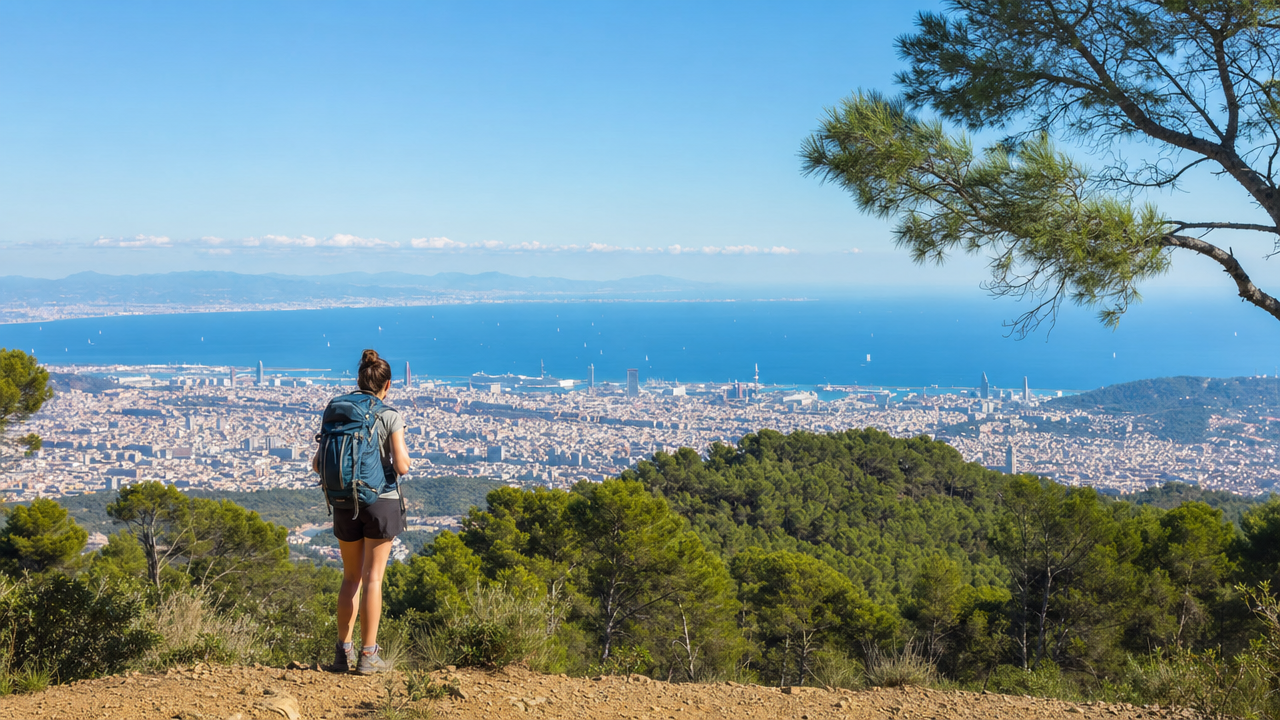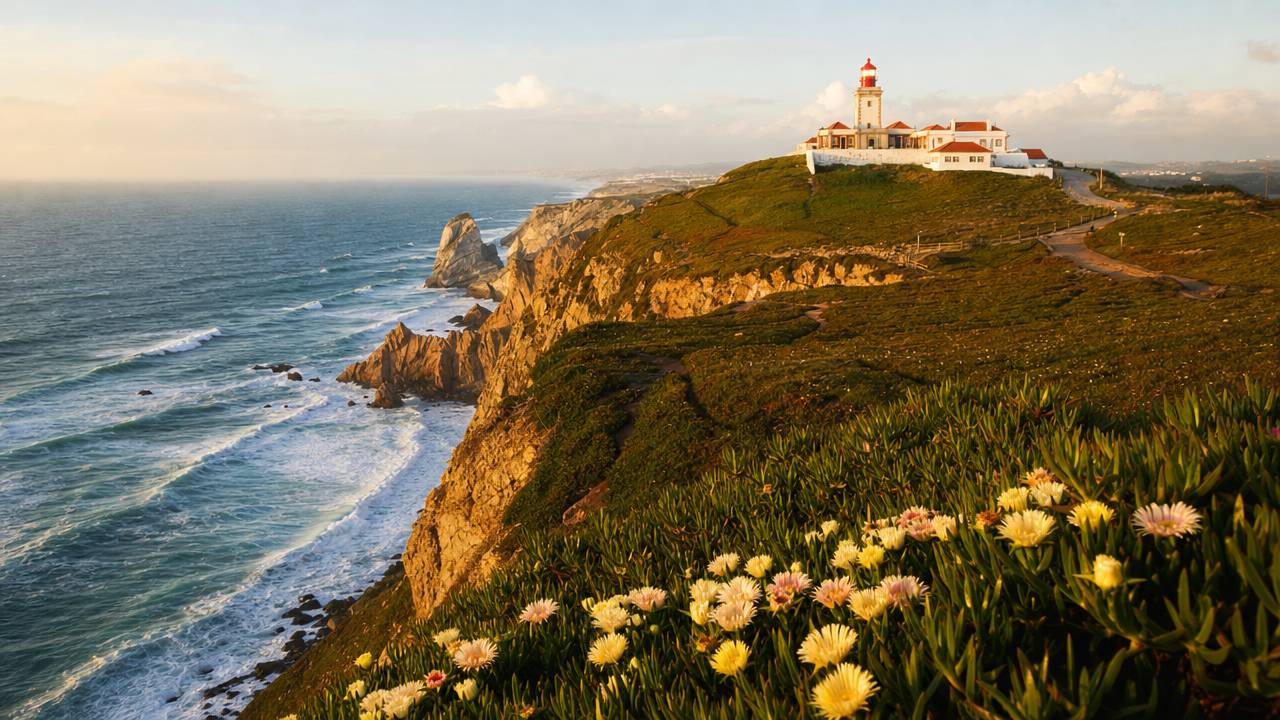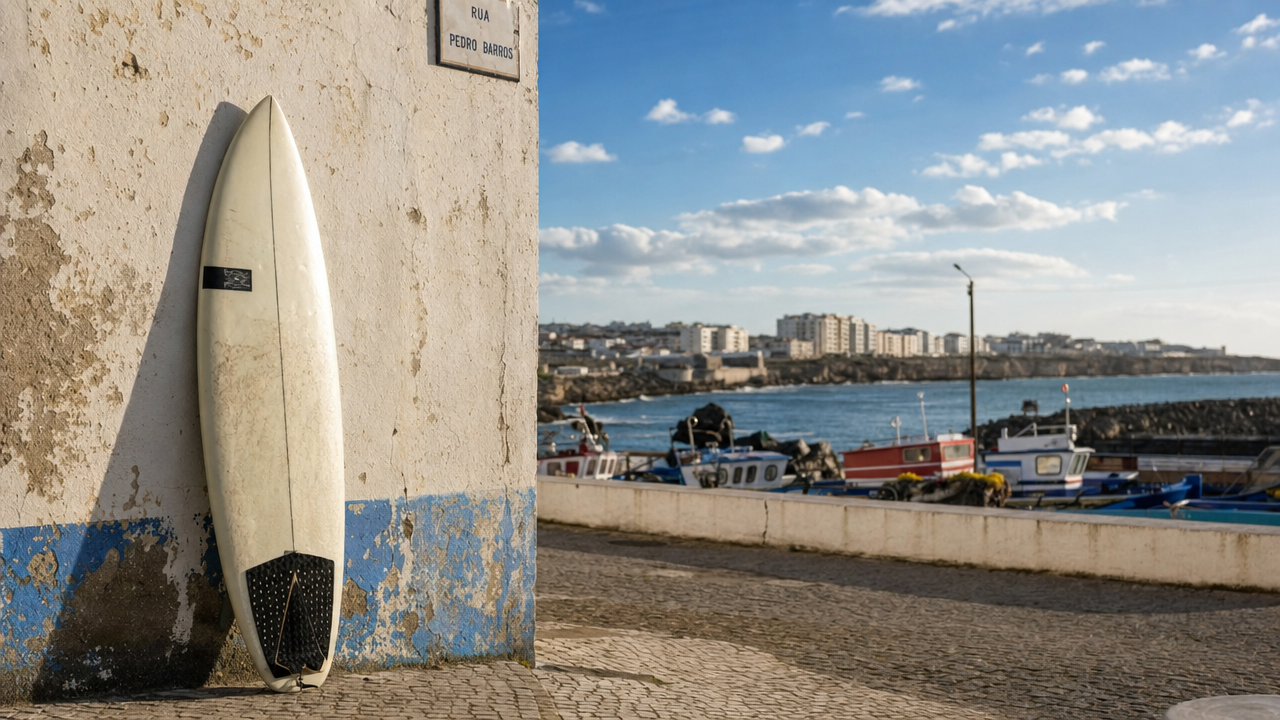
I booked my first surf trip to Portugal on a whim — a €49 Ryanair flight to Lisbon, a hostel bunk in Peniche for €18 a night, and a foam board from a rental shack that had more duct tape than foam. I had no plan, no wetsuit, and no idea what I was doing. I spent ten days eating tinned sardines on the beach, paddling out at Supertubos when the swell was way too big for me, and coming home with a sunburned back and a permanent grin.
That trip changed how I think about surf travel. Not because it was luxurious — it wasn't — but because it proved that you don't need a surf camp package, a van conversion, or a fat savings account to surf world-class waves in Europe. Portugal is the exception to the rule that good surf costs good money.
This guide covers exactly how to plan a surf trip to Portugal on a budget: where to go, when to book, where to stay, how to eat well without spending, and where the hidden costs hide. I've done this trip four times now, and my total spend has never crossed €800 for a full week.
Why Portugal Is the Best Budget Surf Destination in Europe
Let's put this in perspective. A week-long surf camp in Hossegor (France) will set you back €800–1,200 for accommodation, coaching, and board rental — before you factor in food and transport. A similar package in Ericeira or Peniche costs €400–600. If you book independently — hostel or Airbnb plus rental from a local shop — you're looking at €300–500 for the same week.
The reasons are straightforward:
- Low cost of living — Portugal is still noticeably cheaper than France, Spain's Basque Coast, or the UK. A meal at a local tasca costs €8–12. A beer is €1.50. A pastel de nata is €1.20.
- Cheap flights — Ryanair, EasyJet, and Wizz Air fly to Lisbon and Porto from most European cities for €30–80 return if you book in advance. From North America, TAP Air Portugal and Azores Airlines regularly run deals under €500 return.
- Free surf — Portugal has no beach entry fees, no wave permits, and no toll roads to the coast. The ocean is free.
- Affordable accommodation — Hostel dorm beds start at €15–25 a night in surf towns. Shared Airbnb apartments run €30–50 per person per night for two people.
- Year-round consistency — September through April is the prime surf season, but even the summer months produce clean waves on the west coast most mornings. You don't need to chase a specific season to score.
The key is knowing where to go and when. The surfing in Portugal scene spans the entire coastline, and each region has its own budget profile.
Where to Go: The Three Budget-Friendly surf Regions
Peniche & Baleal: The Budget Surf Capital
Peniche is a fishing town turned surf hub on the Silver Coast, about an hour north of Lisbon by bus. It's home to Supertubos — Europe's best barrelling wave and a stop on the World Surf League calendar — plus a dozen other breaks along the Peniche peninsula.
Why it's budget-friendly: Peniche has the highest concentration of affordable surf accommodation in Portugal. Hostels like Baleal Surf Camp, Peniche Surfcamp, and the smaller guesthouses in Ferrel compete on price, which drives costs down. You can find a dorm bed with breakfast for €20-25 a night during shoulder season, and most places include board and wetsuit storage.
What to surf: Supertubos (advanced — heavy barrel, fast take-off), Baleal beach (beginner to intermediate — long sandy right and left breaks), Consolação (intermediate to advanced — long left point break), and Almagreira (intermediate — punchy beach break).
If you're a beginner, base yourself at the Baleal Surf Camp Peniche end of the peninsula — the beach break there is forgiving, the sandbars are consistent, and the bus from Peniche town drops you at the door for €1.50.
Average daily cost: €45–60 (accommodation + food + board rental + local transport)
Ericeira: World Surf Reserve on a Backpacker Budget
Ericeira sits 45 minutes north of Lisbon, a whitewashed town perched on cliffs above the Atlantic. It was designated a World Surfing Reserve in 2011 — one of only a handful in Europe — and it's the closest quality surf to Lisbon airport.
Why it's budget-friendly: Ericeira has a strong backpacker scene with several well-run hostels (Ericeira Surf Hostel, 69 Surf Hostel) charging €18–25 for a dorm bed. The town centre is walkable, so you don't need a car — everything is within a 15-minute walk: the surf beaches, the supermarkets, the bus station.
What to surf: Ribeira d'Ilhas (intermediate to advanced — long, powerful right point break, WSL event venue), Coxos (advanced — fast right reef break, only on mid-to-high tide), Foz do Lizandro (beginner to intermediate — long sandy beach break with a river mouth channel), and São Sebastião (intermediate — right point break, less crowded than Ribeira).
Book a spot at Surfiberia near Sintra if you want a quieter base with easy access to both Ericeira breaks and the Sintra coastline. The bus from Lisbon's Campo Grande station runs every 30 minutes and costs €7 each way.
Average daily cost: €50–65
The Algarve: Sun, Surf, and Bargains in the South
The Algarve is Portugal's southernmost region, known for its golden cliffs, warm water, and surf beaches that work across a wider range of swell directions than the central coast. It's also the warmest part of Portugal — winter water temperatures rarely drop below 15°C, which means you can get away with a 3/2 wetsuit year-round.
Why it's budget-friendly: The Algarve has more accommodation stock than anywhere else on the coast, which means intense competition and low prices outside July and August. In shoulder season (April-May, September-October), you can find private rooms for €30 a night and apartments for €40-50 for two people. The region is also dotted with free campsites and designated campervan stops if you're travelling with a tent or van.
What to surf: Sagres (the main town on the southwest tip — access to multiple world-class breaks including Beliche, Tonel, and the infamous Cave), Arrifana (beautiful horseshoe bay with a consistent right-hand point break), Amado (sandy beach break, popular with surf schools), and the entire Vicentine Coast stretching from Aljezur down to Sagres.
The Algarve Surf School in the central Algarve offers multi-day packages that undercut the big-name camps by 30-40%. And if you're looking for a quieter, more rugged break with fewer crowds, the Aljezur Surf Spot on the Vicentine Coast delivers quality waves with a fraction of the crowds you'll find in Sagres.
Average daily cost: €40–55 (lowest of the three regions)
When to Go for the Best Value
Portugal's surf season runs year-round, but your budget changes dramatically depending on when you book.
| Season | Months | Surf Quality | Dorm Bed | Return Flight (EU) | Crowds |
|---|---|---|---|---|---|
| Peak Summer | July–August | Small (0.5–1.5m), mornings only | €30–40 | €80–150 | Heavy |
| Shoulder | April–June, Sept–Oct | Good (1–3m), consistent | €18–28 | €40–80 | Moderate |
| Low/Winter | November–March | Best (2–5m), biggest swells | €15–22 | €30–60 | Light |
Sweet spot: The first two weeks of October and the last two weeks of May. The water is still warm from summer, the swells are arriving regularly from Atlantic depressions, and the accommodation prices haven't yet climbed into holiday-season territory. I've booked a dorm in Peniche for €18 in mid-October — in August the same bed was €38.
If you're on a tight budget and can handle cold water, November and February are the cheapest months to visit. A 4/3 wetsuit, boots, and gloves add €50 to your gear costs, but your accommodation and flights will be at their absolute lowest.
How to Keep Costs Down (What Nobody Tells You)
1. Bring Your Own Wetsuit (But Not Your Board)
Wetsuit rental adds €8–12 a day. If you're staying for 7 days, that's €56–84 — enough to buy a second-hand 3/2 on Vinted or Facebook Marketplace before you go. Pack it in your carry-on (it's heavy but it'll fit if you wear a jacket over it on the plane) and you've eliminated your biggest daily recurring cost.
Don't bring your own board unless you're flying with a dedicated surfboard bag and don't mind paying the €35–50 sports equipment fee. The rental quality in Portugal is excellent — most shops stock Torq, NSP, and Softech foamies in good condition — and daily rental runs €10–15 or €60–80 for a weekly deal. The math doesn't favour bringing your own unless you're surfing a custom shape that's irreplaceable.
2. Eat Like a Local
The tourist-trap restaurants on Peniche's main square charge €15–18 for grilled fish. Walk three blocks inland and the same dish costs €8 at a tasca where the menu is handwritten in Portuguese.
Budget eating tips:
- Lunch specials (prato do dia) at local cafes run €5–7 and include soup, main course, drink, and coffee
- Make your own breakfast — a bakery (padaria) sells bread, cheese, and cold cuts for under €3
- Supermarkets (Pingo Doce, Lidl, Continente) are everywhere and cheap — €20/week covers breakfast, lunch supplies, snacks, and drinks
- Pastéis de nata are €1.20 each and make an excellent post-surf sugar hit
3. Use Public Transport Instead of Renting a Car
A rental car in Portugal costs €20–35 a day in low season plus €10–15 for petrol. If you're basing yourself in one town, you don't need a car — you can walk to the breaks.
Transport alternatives:
- Lisbon ↔ Peniche: Rede Expressos bus, €9, 1h15m
- Lisbon ↔ Ericeira: Mafrense bus, €7, 45m
- Lisbon ↔ Sagres: Rede Expressos bus, €20, 3h30m (or FlixBus for €12 if booked early)
- Faro ↔ Sagres: Bus, €8, 1h30m
If you're hopping between regions, Portugal's intercity bus network (Rede Expressos, FlixBus) covers the entire coast affordably. A Lisbon to Faro bus costs €15–18 and takes 3 hours.
4. Stay Longer, Pay Less
Almost every surf hostel and camp in Portugal offers weekly discounts. Expect 10–20% off the nightly rate if you book 7+ nights. Some places in Peniche and Ericeira drop to €15/night for a dorm on a weekly stay — that's €105 for a full week of accommodation, less than one night at a hotel in the Algarve in August.
Sample 7-Day Budget Breakdown
Here's what a week-long independent surf trip to Peniche looks like at current prices:
| Item | Cost (€) |
|---|---|
| Return flight (EU, booked 6 weeks ahead) | €60 |
| Airport bus to Lisbon + bus to Peniche | €18 |
| Hostel dorm x 7 nights (weekly rate) | €140 |
| Board rental x 7 days (weekly deal) | €70 |
| Wetsuit (brought from home) | €0 |
| Food (mix of supermarkets + 1 restaurant meal/day) | €105 |
| Coffee & pastéis de nata | €21 |
| Local bus to Baleal x 7 return | €21 |
| Travel insurance | €15 |
| Total | €450 |
That's €450 for a week of world-class surf, including flights from mainland Europe. Even with a 4/3 wetsuit rental (if you don't bring your own), add €56 — total €506. Still well under €800.
Here's the same trip staying in the Algarve, with a budget flight to Faro:
| Item | Cost (€) |
|---|---|
| Return flight to Faro (EU) | €65 |
| Bus to Sagres | €8 |
| Hostel dorm x 7 nights | €133 |
| Board rental x 7 days | €65 |
| Food | €98 |
| Total | €369 |
What Most Budget Guides Don't Tell You
The hidden costs are not what you think. It's not the surfboard rental or the food that eats your budget — it's the stuff you don't plan for. The sunscreen that costs €18 at the corner shop (bring it from home). The last-minute wetsuit boots because the water turned out colder than the forecast said. The taxi from the airport because the last bus left at 8pm and your flight landed at 10.
Arrive during daylight hours. The bus services to surf towns run every 1–2 hours during the day and stop by 8–9pm. A taxi from Lisbon airport to Peniche costs €70–90. A taxi from Faro to Sagres costs €50. If you book a flight that lands after 6pm, add €50 to your budget for the transfer.
Book accommodation with a kitchen. The single biggest expense killer is eating out three meals a day. A hostel or Airbnb with a kitchen lets you cook breakfast, pack lunch for the beach, and eat a proper dinner for €3-4 instead of €15. The Algarve's surf hostels are especially good for this — many have full kitchens and communal dining areas.
Avoid August at all costs. This isn't just about crowds (though the lineups at Supertubos and Ribeira d'Ilhas in August are genuinely dangerous for beginners). It's about price. Accommodation doubles, flights triple, and the cheap local restaurants close for their own holidays. The same trip that costs €450 in October costs €900+ in August.
For a more detailed look at Portugal's surf regions, read our guide on Exploring the Algarve Coast: A Surfer's Paradise — it covers the best breaks, camps, and hidden spots along the south coast.
Final Verdict: Can You Really Do It for Under €500?
Yes. Absolutely.
Portugal's surf industry has matured to the point where budget travel isn't about scraping by — it's about making smart choices. The infrastructure (buses, hostels, rental shops, supermarkets) is built for surf travellers. The competition between accommodation providers keeps prices low. And the quality of the waves means you're not compromising on the experience itself.
The formula is simple: fly into Lisbon or Faro in shoulder season, base yourself in one of the three regions above, book a hostel with a kitchen, bring your wetsuit, rent a board locally, eat at supermarkets and local tascas, and use buses for everything else. Do that, and you'll leave Portugal with change from €500 — and a tan that proves you spent it well.
If you're ready to book your trip, start by checking the surf towns and camps in Portugal — most have direct booking links and availability calendars so you can lock in the cheap rates before the summer crowd arrives. The best budget waves of your life are one bus ride away.