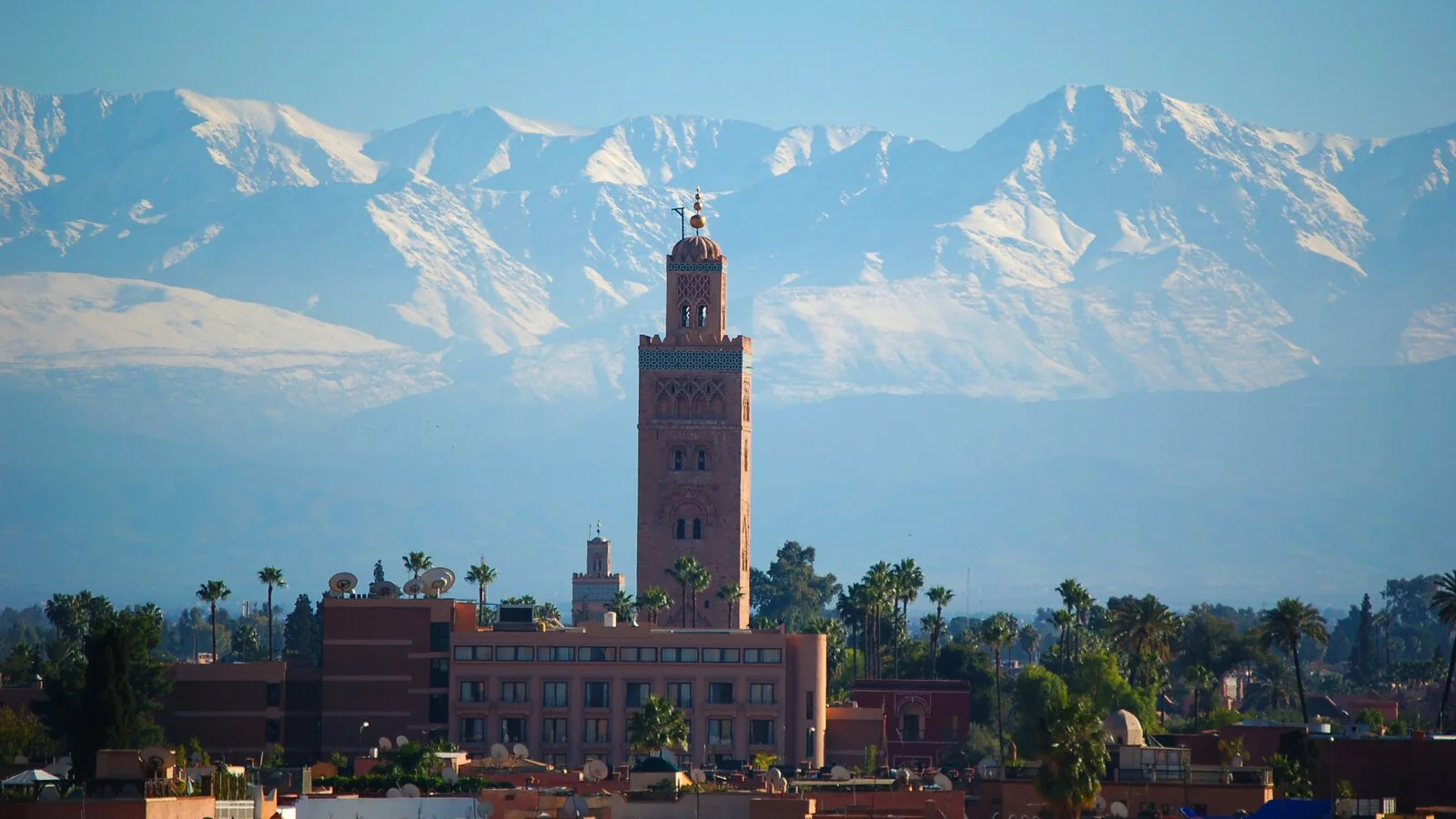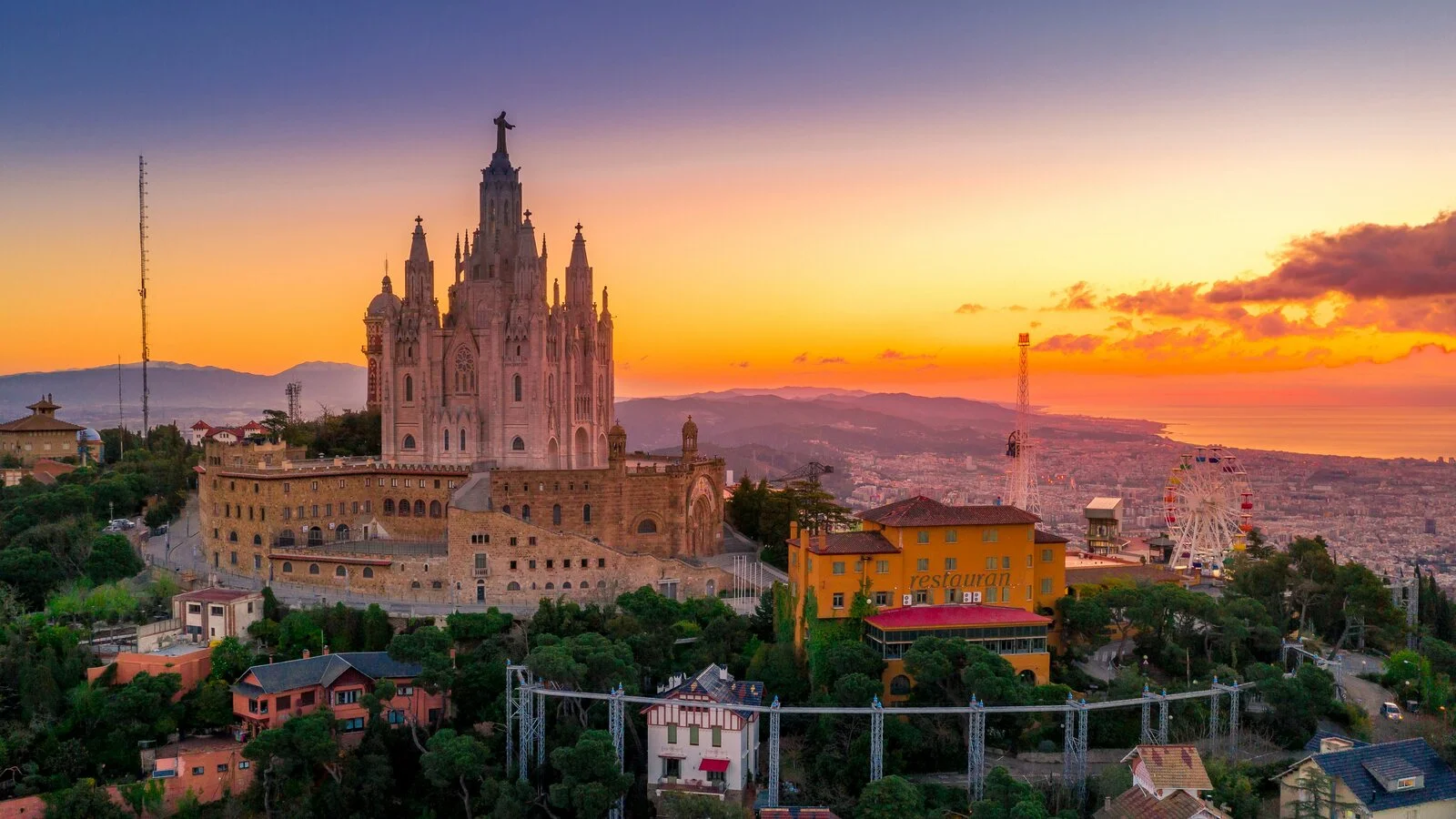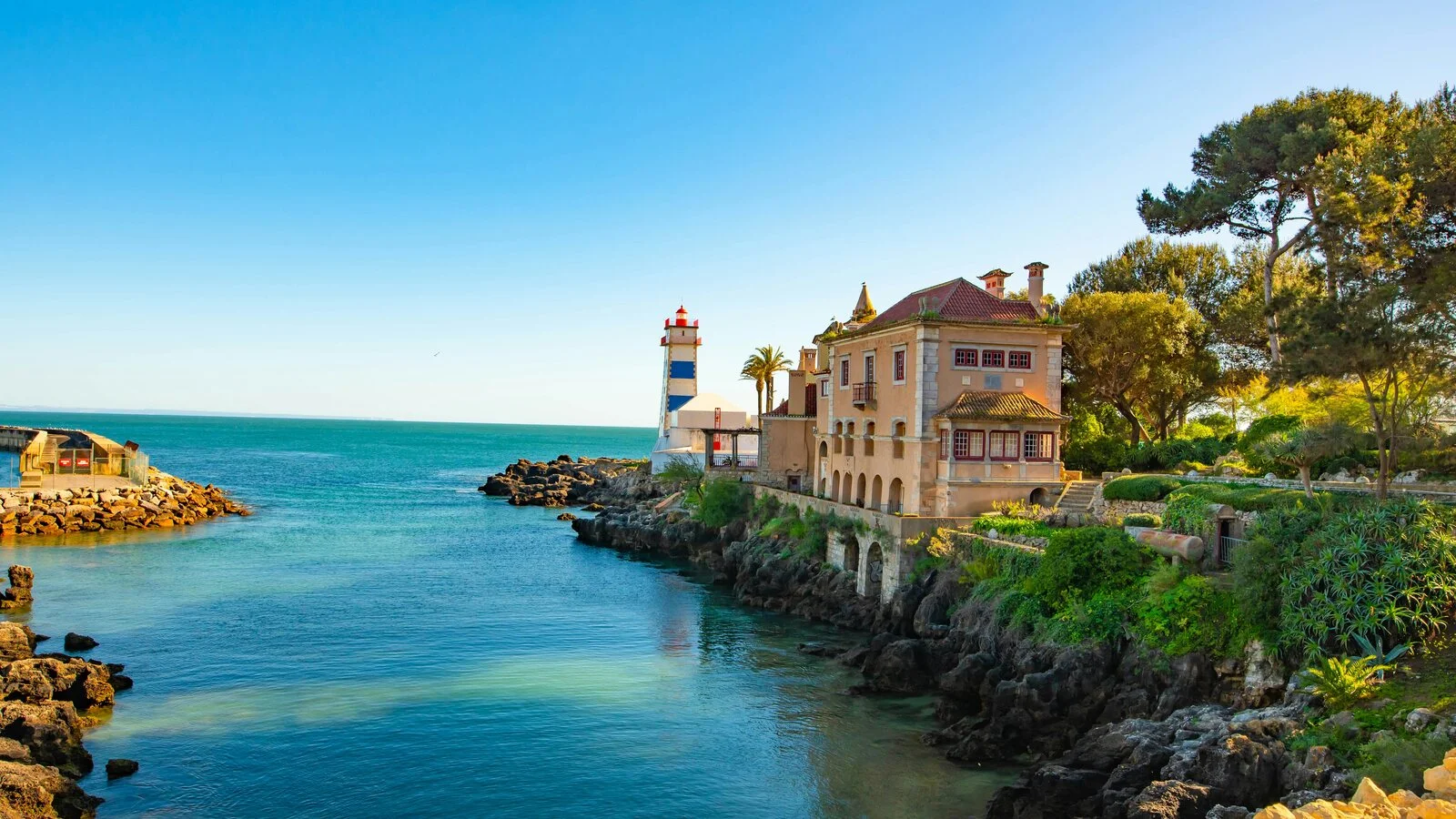
Portugal is a country scaled for exploration. You can wake up in a cork-oak forest in the Alentejo, surf a world-class wave by lunch, and watch the sunset from mainland Europe's westernmost point — all in a single day's drive. The Atlantic shapes everything here: the terrain, the pace of life, and the outdoor opportunities that draw travellers from across the continent.
This guide covers four distinct Portuguese outdoor experiences, each anchored to a specific region and season. Whether you are planning a dedicated trip around one activity or want to mix several into a single itinerary, the practical information below — including seasonal windows and gateway-city connections — will help you make the most of Portugal's remarkable outdoor landscape.
Fishermen's Trail — Hiking the Vicentine Coast
The Fishermen's Trail (Trilho dos Pescadores) is Portugal's signature coastal hike: 226 kilometres tracing the wild Vicentine Coast through the Southwest Alentejo and Vicentine Coast Natural Park. The trail follows the paths once used by local fishermen to reach their fishing grounds, hugging the cliff edge for virtually its entire length and passing through some of the last truly undeveloped coastline in southern Europe.
Best sections
The most accessible and spectacular section runs from Praia da Luz to Lagos (11 km, 3–4 hours, moderate difficulty). This stretch delivers uninterrupted cliff-top walking with views of golden sandstone sea stacks, wave-cut arches, and hidden coves reachable only from the trail. The absolute highlight is Ponta da Piedade, a headland where a cluster of rock pinnacles rises from turquoise water, with sea caves and grottoes carved into the cliffs below. The trail can be walked in either direction, but starting in Luz and finishing in Lagos gives you a lively town with excellent restaurants and train connections at the end.
For a longer commitment, the São Torpes to Porto Covo section (roughly day 5–6 of the full trail) offers the most isolated walking, with vast empty beaches and cliff-top stretches where you may not see another hiker for hours.
Seasonal guidance
Spring (March–June) is ideal — wildflowers are in bloom, migratory birds pass through, and temperatures are mild for long days of walking.
Autumn (September–November) offers similar conditions with the added bonus of golden light and fewer crowds.
Summer (July–August) brings intense heat — carry at least two litres of water per person and start hiking before 8 am. Many sections lack shade entirely.
Winter (December–February) can be wet and windy, with shorter daylight hours, but the coast is dramatically beautiful in stormy conditions and accommodation is cheap.
Gateway city: Faro
The Algarve's capital is the natural access point. Faro Airport receives direct flights from across Europe, and trains from Faro's station reach Lagos in about 1.5 hours. From Faro, you can stock up on supplies and reach any Fishermen's Trail section within a two-hour drive.
Alentejo Camping — Under Cork Oaks and Star-Filled Skies
The Alentejo is Portugal's slowest region — a vast, sparsely populated landscape of rolling plains, cork-oak forests, olive groves, and whitewashed hilltop towns. It is the antithesis of the crowded Algarve coast, and camping here is an exercise in unhurried immersion.
Where to camp
Parque de Campismo Orbitur Évora sits on the outskirts of the UNESCO World Heritage city of Évora, offering spacious, level pitches with electric hookups, a swimming pool, and an on-site restaurant serving regional Alentejan specialities. It is an excellent base for exploring the Roman Temple of Diana, the haunting Chapel of Bones, and the megalithic Almendres Cromlech — one of Europe's largest standing stone complexes, predating Stonehenge.
For a more rustic experience, the area around Monsaraz — a fortified hilltop village overlooking the Alqueva reservoir — offers wild camping opportunities and small private campsites amid the cork forests. The Alqueva Dark Sky Reserve is one of the best stargazing spots in Europe, with some of the lowest light pollution levels on the continent. On moonless nights the Milky Way is vivid to the naked eye.
Seasonal guidance
Spring (April–June) is the sweet spot — wildflowers carpet the plains, temperatures sit in the pleasant 20–28°C range, and the cork harvest begins in late spring.
Autumn (September–October) brings the grape harvest and the region's wine festivals. Nights cool down quickly, so pack a warm sleeping bag.
Summer (July–August) is hot — daytime temperatures routinely exceed 38°C. Camp only if you have shade and access to a pool or river. Start activities at dawn and rest through the afternoon.
Winter (November–March) is quiet and chilly. Many campsites close or operate reduced services. Rain can make cork-oak forest tracks muddy, but the solitude is unmatched.
Gateway city: Lisbon
Évora and the northern Alentejo are less than 1.5 hours by train or car from Lisbon. The southern Alentejo (Costa Vicentina camping spots) is better reached from Faro. Lisbon's airport and long-distance bus terminal (Sete Rios) provide excellent connections.
Ericeira — Surfing a World Surf Reserve
Ericeira is one of only a handful of World Surfing Reserves on the planet, and the only one in continental Europe. Located just 45 minutes north of Lisbon, this historic fishing village has an extraordinary concentration of world-class waves within a short coastline — from the long, peeling right-hand point break of Coxos to the hollow reef barrels of Pedra Branca and the consistent beach break of Ribeira d'Ilhas.
The waves
Coxos is the crown jewel — a long, fast right-hand point break that wraps around a rocky headland and delivers rides of up to 200 metres on a good swell. It demands precision and timing, rewarding experienced surfers with long carving walls and occasional tube sections. Coxos has hosted multiple World Surf League qualifying events.
Pedra Branca, just around the corner, is a thick, hollow reef break that barrels heavily with the right swell direction — strictly for advanced surfers with reef experience.
Ribeira d'Ilhas is a long sandy beach break offering more forgiving waves for intermediate surfers. It has hosted WSL QS events and is the most accessible wave in the reserve.
Praia do Sul and Praia do Matadouro provide options for beginners and longboarders, particularly on smaller swell days.
Surf schools and camps
Multiple surf schools operate in Ericeira, offering board rental, guided sessions, and multi-day packages. Most are concentrated along the beachfront road between the town centre and Ribeira d'Ilhas.
Seasonal guidance
September–April is prime surf season — consistent Atlantic swell, offshore winds most mornings, and water temperatures requiring a 4/3mm wetsuit through winter.
May–August brings smaller swell and lighter winds. The water warms to 18–20°C, making lighter wetsuits or springsuit comfortable. This period is best for beginners and intermediate surfers.
Best conditions typically occur in autumn (September–November), when the first big swells of the season arrive and the water is still warm enough for a 3/2mm wetsuit.
Gateway city: Lisbon
Ericeira is a 45-minute drive from central Lisbon and about 35 minutes from Lisbon Airport. Rental cars are the most practical option, though buses run regularly from Campo Grande station. Lisbon's international connections make Ericeira one of the most accessible world-class surf destinations on the planet.
Cabo da Roca & the Sintra Coast — Viewpoints at Europe's Edge
Cabo da Roca is the westernmost point of mainland Europe — a windswept cliff at latitude 38°47'N, longitude 9°30'W, where the land ends abruptly and the Atlantic begins. The viewpoint carries symbolic weight as much as visual drama: a stone monument marks the coordinates, and the lighthouse has guided ships since 1772.
The viewpoint
The main viewpoint at Cabo da Roca is centred around the lighthouse, where a flat terrace overlooks a 140-metre vertical drop to the ocean. On clear days the view stretches endlessly west, and on days when the Atlantic mist rolls in, the cape takes on an appropriately brooding, end-of-the-world atmosphere. The monument quoting poet Luís de Vaz de Camões — "Here, where the land ends and the sea begins" — captures the sentiment perfectly.
Nearby viewpoints
The Sintra coast is one of Portugal's most concentrated viewpoint regions. Ten minutes north of Cabo da Roca, Azenhas do Mar Viewpoint offers one of the most photographed scenes on the Portuguese coast: a whitewashed cliffside village seemingly spilling down the rock face to natural tidal pools below, best seen at sunset.
Further north, Praia da Ursa — accessible via a steep 20-minute trail from Cabo da Roca — is a wild, rugged beach flanked by massive sea stacks, often empty even in peak season.
The Lisbon city viewpoints (miradouros) offer a different kind of experience: Miradouro da Graça and Miradouro da Senhora do Monte provide sweeping panoramas of the city's terracotta rooftops, São Jorge Castle, and the Tagus River, best visited late afternoon for golden hour light.
Seasonal guidance
Year-round — viewpoints are always accessible, but the experience varies dramatically with weather.
March–October offers the highest probability of clear skies. Sunset from Cabo da Roca from late spring through early autumn is spectacular, with the sun sinking directly into the Atlantic.
Winter brings strong winds at the cape — bring a jacket even on sunny days. Low clouds and fog can obscure visibility entirely, but when the skies clear, the winter light is extraordinary.
The golden hour (the last hour before sunset) is the best time for the Sintra coast viewpoints. Arrive at Cabo da Roca at least 45 minutes before sunset to secure parking and find your spot.
Gateway city: Lisbon
Cabo da Roca is a 40-minute drive from central Lisbon via the A5 motorway and the scenic N247 coastal road. The town of Sintra — with its fairy-tale Pena Palace, Moorish Castle, and lush forest park — is on the way, making this an easy day trip that combines cultural and natural sightseeing. Public buses run from Sintra station to Cabo da Roca, but a rental car allows you to stop at the multiple viewpoints along the coast.
Planning Your Trip — Seasonal Overview & Gateway Cities
When to go
| Season | Best for | Considerations |
|---|---|---|
| Spring (Mar–Jun) | Hiking, camping, general travel | Wildflowers, mild temps, ideal for the Fishermen's Trail and Alentejo camping |
| Summer (Jul–Aug) | Beach activities, beginners surfing | Crowded on the Algarve coast; avoid midday heat for hiking; book camping ahead |
| Autumn (Sep–Nov) | Surfing, hiking, viewpoints | Prime surf season starts; golden light for photography; fishing season dinners |
| Winter (Dec–Feb) | Surfing (experienced), viewpoints, solitude | Wet and windy on the coast; cheapest travel; some campsites closed inland |
Gateway cities
Lisbon — The most practical hub for the entire itinerary. Within 45 minutes you can reach Ericeira (surfing), Cabo da Roca (viewpoints), and Sintra. The Alentejo is 1.5 hours east via the A6 motorway. Faro and the Fishermen's Trail are 2.5–3 hours south by car or 2.5 hours by train (Lisbon–Lagos direct Alfa Pendular service).
Faro — The best base for the Fishermen's Trail and the Algarve coast. Faro Airport has extensive European connections, and the Ria Formosa Natural Park offers its own viewpoint and kayaking opportunities. Lagos is 1.5 hours west by train.
Porto — The gateway to northern Portugal's outdoor scene. While not directly serving any of the four activities in this guide, Porto is the starting point for the Passadiços do Paiva trail (one of Portugal's most dramatic river canyons), the Peneda-Gerês National Park, and the Douro Valley wine region — all of which make excellent additions to a longer Portugal itinerary.
Suggested itineraries
3-day Lisbon coast loop — Day 1: Ericeira surf session, overnight in Ericeira. Day 2: Cabo da Roca at sunrise, Azenhas do Mar viewpoint, Sintra palace in the afternoon, return to Lisbon for the evening miradouros. Day 3: Day trip to Évora and the Alentejo, camping at Orbitur Évora or returning to Lisbon.
5-day Algarve & Alentejo — Day 1: Arrive in Faro, settle in Lagos. Day 2: Fishermen's Trail Luz–Lagos section, overnight in Lagos. Day 3: Surf day on the Algarve west coast (Aljezur or Arrifana). Day 4: Drive north through the Costa Vicentina to the Alentejo, camp near Évora. Day 5: Explore Évora and Monsaraz, return to Faro.
Final Tips
- Respect the ocean. Portugal's Atlantic is powerful and cold. Check surf conditions and tide times before entering the water, and never turn your back on the sea while hiking cliff trails.
- Book ahead in peak season. Campsites in the Alentejo and surf accommodation in Ericeira fill weeks in advance during July and August. Spring and autumn bookings are more flexible.
- Pack layers. The Alentejo can swing 20°C between day and night, and the Sintra coast is routinely windier and cooler than Lisbon proper. A windproof jacket is the single most useful item you can bring.
- Rent a car. While buses and trains connect the major towns, Portugal's best outdoor experiences are off the public transport network. A rental car unlocks the Fishermen's Trail access points, remote Alentejo campsites, and the viewpoints between Sintra and Ericeira.